


From Pain to Purpose: Writing Your Healing Memoir
Updated: May 9, 2025
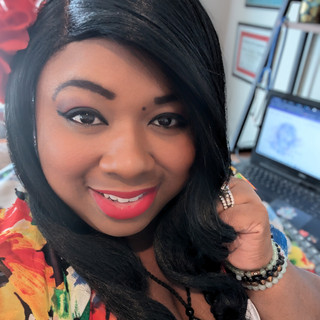
By: Dr. Deilen Michelle Villegas, Ph.D.
Trauma Recovery Expert | Holistic Healer | Author of Reclaiming the Unspoken
There’s a sacred kind of courage required to sit down with your pain, cradle it in your hands, and tell it—out loud, on paper, in public. Writing a healing memoir is not just about storytelling… it’s about truth-telling. It’s about transmuting trauma into testimony, wounds into wisdom, and survival into sacred service.
And let me tell you—it’s not easy. But it is powerful.
Why Writing a Healing Memoir Can Feel So Hard—And So Necessary
When I began writing Reclaiming the Unspoken, I didn’t fully understand the emotional excavation I was about to undergo. What I thought would be a clean narrative turned into late nights of crying, memory recall, self-doubt, and radical self-forgiveness.
But here’s what I discovered:
Your story holds keys—not just for you, but for others who are still locked in their silence.
We don't write memoirs to relive the pain.
We write them to reclaim authorship over our own lives.
From Victimhood to Voice: The Power of the Pen
Writing a healing memoir is a journey of:
Giving yourself permission to feel what you once suppressed
Naming what happened in your own words, without apology
Creating meaning out of chaos
Offering others a mirror, a map, or a moment of medicine
Your words don’t have to be perfect. But they do have to be true.
Healing Through the Narrative Process
Modern trauma research supports what many of us already feel in our bones: telling our story helps integrate it.
It activates the prefrontal cortex (logic and language), helps soothe the amygdala (fear center), and allows fragmented memories to begin to make sense.
In trauma-informed writing, we’re not just journaling—we’re rewiring, reclaiming, and remembering who we are beyond the pain.
Tips for Writing Your Own Healing Memoir
1. Write from the scar, not the wound—when you’re ready.
Honor your nervous system. Take breaks. Don’t force disclosure before safety.
2. Don’t aim to be inspirational—aim to be honest.
People don’t need a superhero. They need a human who kept showing up.
3. Use rituals to protect your energy.
Burn sage before writing. Play music that grounds you. Light a candle for your ancestors. Spiritual hygiene matters when diving deep.
4. Start with moments, not chronology.
Begin with the memory that won’t let you go. The one that still echoes in your chest. You can build the rest around it later.
5. Decide what belongs to you—and what’s for the reader.
Not every detail has to be included. Some truths are meant to be held close, not published.
Journal Prompts for Memoir Writers in Healing
“What story does my body still remember that my mind avoids?”
“What did I survive that I didn’t think I would?”
“If my younger self could read this book, what would I want her to know?”
“What chapter am I finally ready to close?”
Why My Memoir Reclaiming the Unspoken Changed Everything
This book cracked me open. It asked me to walk back through fire and find the sacred in the ashes. But in telling my truth, I unearthed a version of myself I had buried beneath guilt, survival, and silence.
And through that process, I wrote not just one, but four transformational books—each one a piece of the healing puzzle for those who are ready to rise too.
You Are Not Just a Survivor—You Are a Storyteller
To everyone carrying pain in their bones, wondering if your story matters:
It does.
Your truth is not too much.
Your voice is not too late.
And your healing is not just possible—it’s inevitable when you’re willing to tell the truth.
Your memoir could be the map someone else is praying for.
So write it. Bleed if you have to. Cry when you must. But write it—because you never know who will find their light in your words.
Ready to Begin?
Sign up for my Healing Memoir Mini-Series and get:
Writing prompts
Somatic safety practices
Guidance on self-publishing your truth
Excerpts from Reclaiming the Unspoken
👉🏽 Join Here – Dr.Deilen.Villegas@gmail.com


Comments